What cruises give you the warmest welcome in Europe’s coolest months? River and coastal ocean cruising doesn’t completely stop when the Christmas holidays start. In fact, Europe’s “quiet season” is becoming a season of its own for cruisers.
It’s true that most Christmas markets pack up around Christmas Eve, although some extend through the holidays. But then come New Year’s celebrations, winter sales, Carnival, distinctive seasonal foods and traditions — and, along parts of the Mediterranean, the first blossoms of the year.
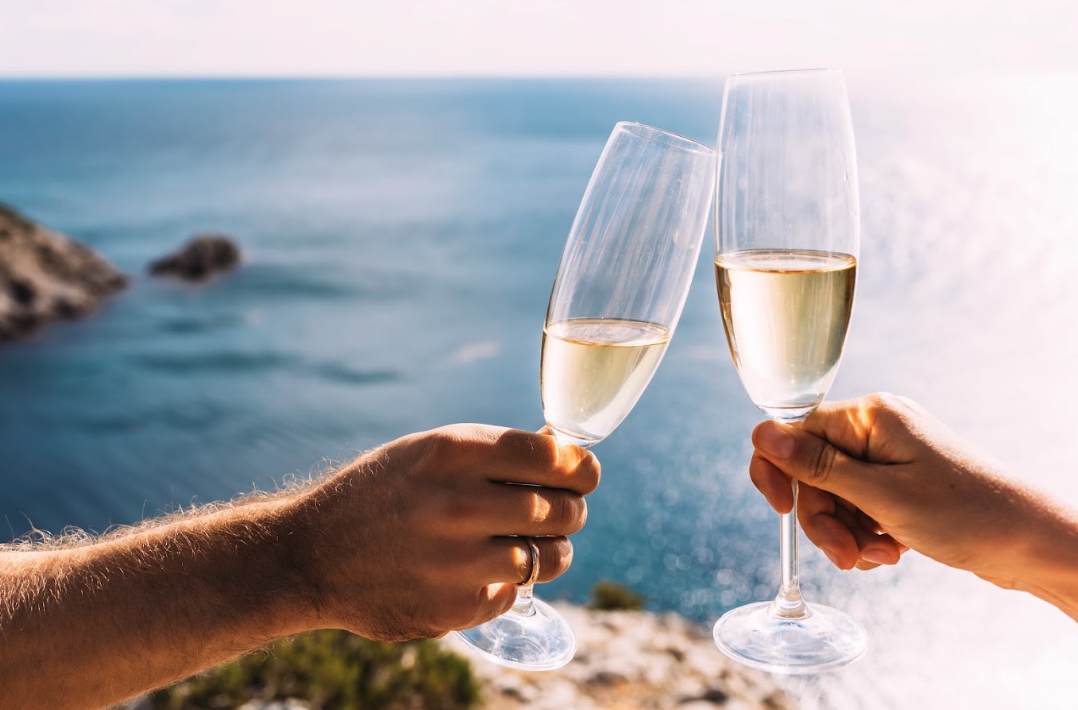
More cruise lines are extending their European seasons, sailing Mediterranean coastlines and rivers including the Rhine and Danube after the Christmas-market crowds have gone home.
Why Cruise Europe in Winter?
- Fewer travelers, no crowds. This is the most obvious advantage. Museums, historic districts and landmark attractions that have lineups during summer become considerably easier to experience.
- Warm welcomes. The busy pace of summer relaxes, and locals have more time to visit with each other and spend time with visiting guests.
- Cool weather pleasures. Discover a Europe many summer visitors never see. This is the season of cafés and concert halls, hearty regional dishes and traditions specifically designed to brighten the shortest days of the year.
- Europe’s winter sales. Another post-holiday European tradition keen shoppers will find hard to resist. In France, for example, the soldes d’hiver are an official, government-regulated shopping season lasting four weeks in January and giving you an excuse to indulge in French fashion, accessories, homewares and more! Spain’s winter sales can run from January through March, depending on the region, with discounts reaching up to 70 percent.
Cruising Europe’s Ocean Coastlines After Christmas
The Mediterranean’s mild temperatures and sunshine make it a delightful winter cruise destination.
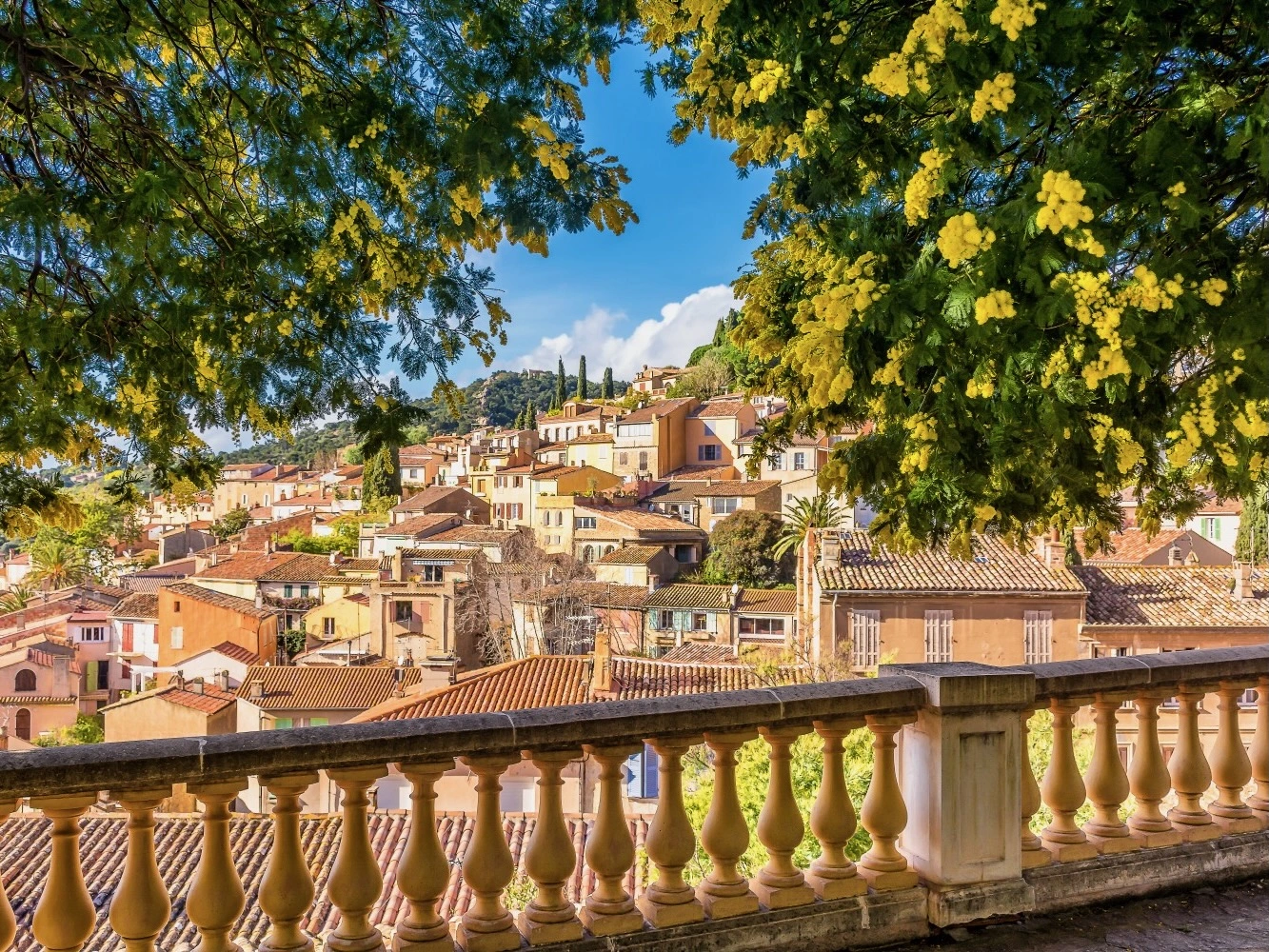
On France’s Côte d’Azur, mimosas’ brilliant yellow blossoms (pictured, top) bloom January into March along the Route du Mimosa through southern France. Mandelieu-La Napoule celebrates an annual February Fête du Mimosa, complete with flower-covered floats and parades.
It’s also citrus fruit season across the Riviera – and nearby Menton celebrates its colorful and tasty winter crop with its Lemon Festival.
Then comes Carnival, the last hurrah of decadence before the 40 days of Lent prior to Easter begin.
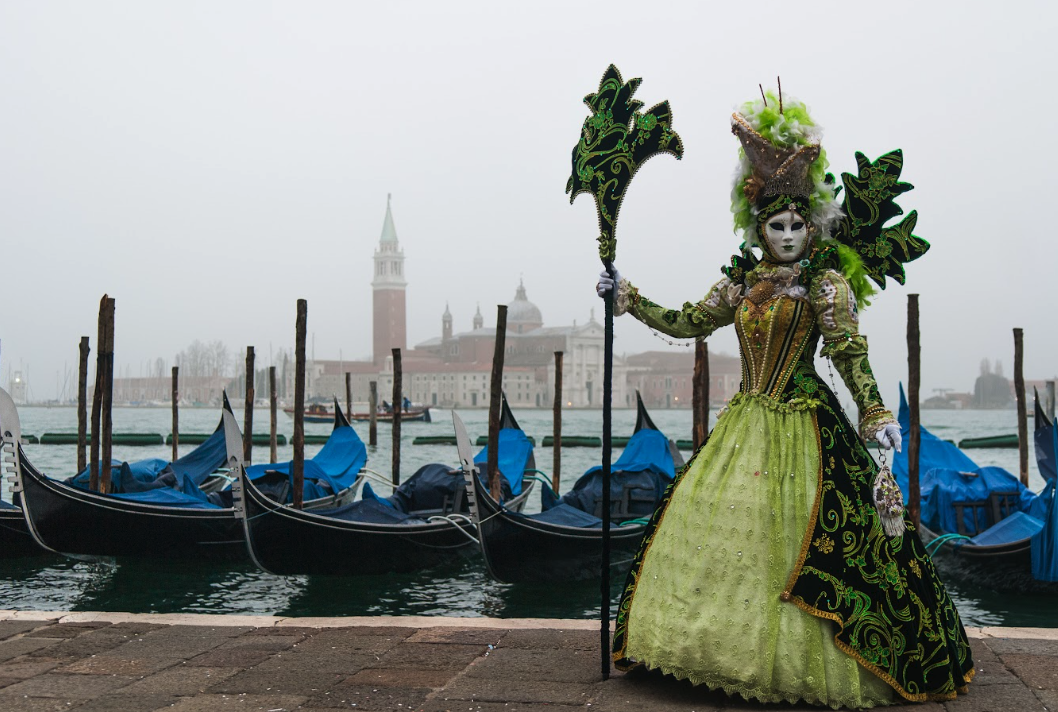
Venice’s famous Carnevale transforms the lagoon city with elaborate masks, costumes, performances and festivities. Nice stages one of the world’s great Carnivals, including enormous floats, nighttime parades and its famous flower battles.
Beyond Nature’s winter bounty, exploring archaeological sites in Italy and Greece, and cities such as Barcelona and Rome is much different without peak-season crowds and heat.
European River Cruising’s Quiet Season
Europe’s great rivers offer a different winter experience, too.
New Year’s Eve is the standout. Even if your river cruise doesn’t coincide with the festivities, a pre- or post-cruise extension can have you in Vienna on December 31. Austria’s capital may be the ultimate Danube destination for New Year’s Eve, when its historic center becomes a street celebration of music, food and dancing. At midnight, St. Stephen’s Cathedral rings in the New Year, The Blue Danube begins to play — and revelers waltz in the streets. There are NYE balls and concerts for classical music lovers – not to mention the Vienna Philharmonic’s world-renowned New Year’s Concert on January 1.
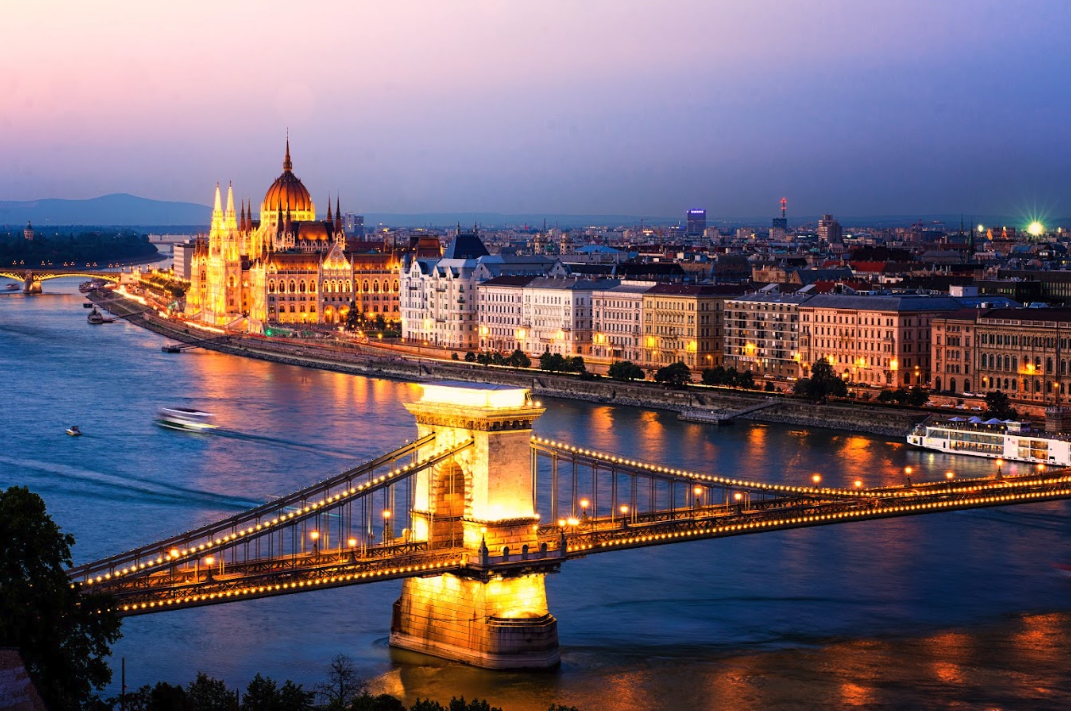
Further southeast on the Danube, Budapest is another spectacular NYE setting (above), while Rhine itineraries put cruisers in the heart of festivities in cities including Cologne, Strasbourg and Basel.
After New Year’s, the emphasis shifts to cozy winter lifestyles: coffee and cake in historic cafés and warming regional specialties — Käsespätzle, Central Europe’s delicious mac and cheese: soft egg noodles layered with melted cheese and crispy onions; and the renowned Hungarian goulash, a comforting beef-and-paprika soup; Rhineland sauerbraten, slow-cooked marinated beef with rich gravy and red cabbage; Strasbourg’s Alsatianchoucroute, a French version of sauerkraut heaped with sausages and smoked pork (pictured below, image: Lynn Elmhirst)
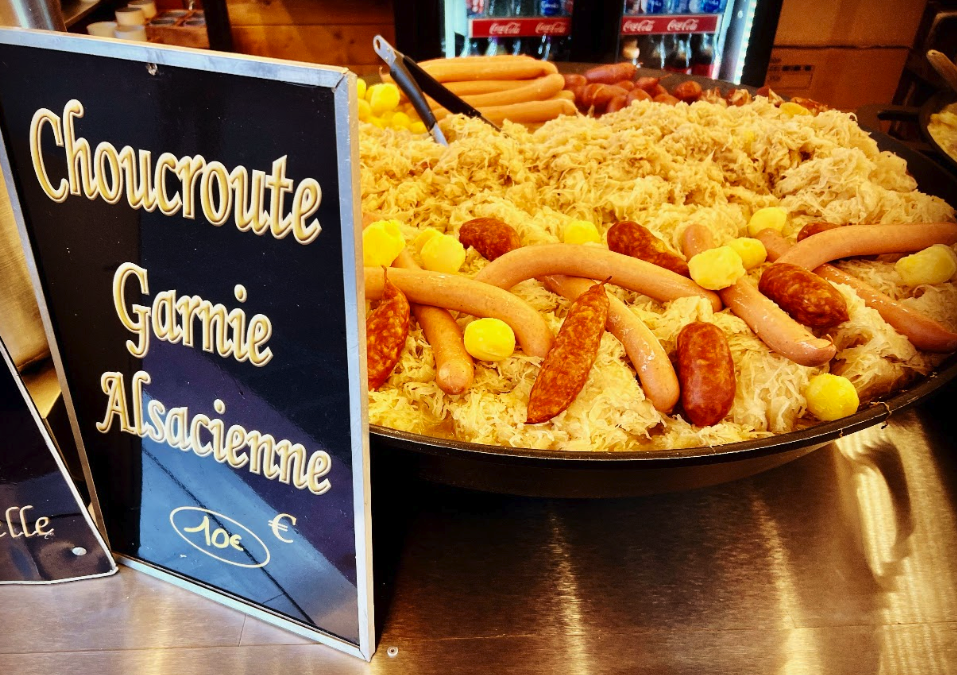
Image: Lynn Elmhirst; in Strasbourg aboard a Rhine River cruise.
The rivers themselves look different, too. Bare vines reveal the contours of steep vineyard terraces, castles stand out against the hillsides and, with luck, snow transforms riverside towns altogether.
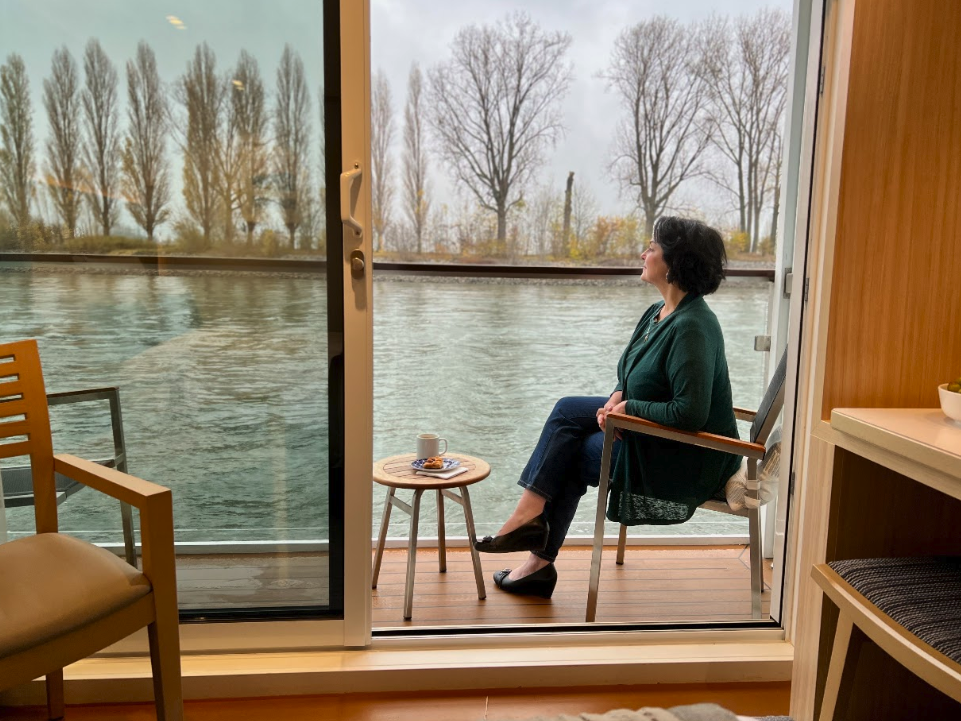
Christmas markets may have put winter river cruising on the map. But increasingly, they’re only the beginning of Europe’s cruising season.
START YOUR TRIP!
By: Lynn Elmhirst, cruise/ travel journalist and expert
Images: Getty unless otherwise indicated
All rights reserved. You are welcome to share this material from this page, but it may not be copied, re-published, broadcast, rewritten or redistributed.